Members Norm Setting on Land and Conflict
An intended good practice within HIC is often found in the collaboration of Member organizations that synergizes efforts to produce values and outcomes greater than the sum of their parts. One expression of such collaboration is the recent joint submission of input to the UN Committee on Economic, Social and Cultural Rights (CESCR) draft General Comment on the application of the International Covenant on Economic, Social and Cultural Rights in situations of armed conflicts.
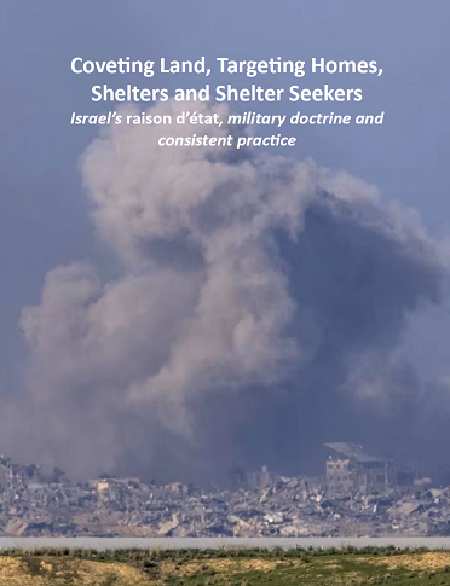
HIC MENA mobilized a partnership of the Palestinian Land Research Center (LRC) with the Sahrawi Mine Action Coordination Office (SMACO) to submit expert advice to CESCR on common and fundamental aspects of state obligation with respect to land. The collaboration and comparative analysis it produced derive from intergenerational empirical experience under occupation and conflict: Palestine’s occupied territory since 1967, and Western Sahara’s occupation since 1975.
The HIC Member input to CESCR focuses on the specific subject of land rights violation, submitted on the basis—and 3rd anniversary—of CESCR’s General Comment No. 26 on land and economic, social and cultural rights.
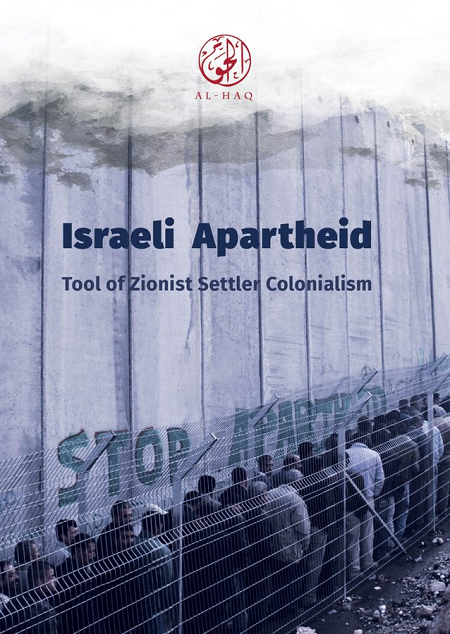
In conflict, in general, land grabbing proliferates and land concentration intensifies. Of course, the century-long Palestine experience informs us all about the neo-colonial land theft processes of conflict, occupation, war and systemic housing and land apartheid.
The joint submission cited phenomena also found in other conflict situations in the region. Sudan is the principal case in point. However, this submission emphasized housing and land rights violations under cases of alien occupation: Palestine and Western Sahara.
It informed the Committee of states parties’ failure to prevent, limit, and end wars and occupation, and to impose legal obligations on all parties—including occupying powers. However, it takes the perspective of the land and its associated economic, social and cultural rights.
Download the joint submission here.
|